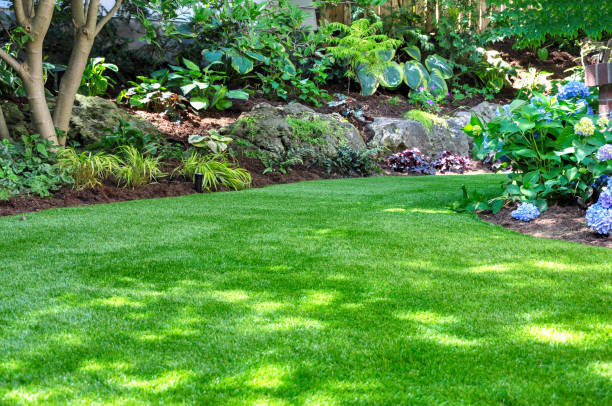
Creating a beautiful outdoor space might seem overwhelming at first, but with thoughtful planning and basic knowledge, you can transform your yard into a personal oasis. Whether you’re starting from scratch or revamping an existing space, this guide will walk you through the essentials of landscape design for beginners.
Step 1: Assess Your Space
- How much space do you have? Measure the dimensions of your yard to understand the working area.
- What is your climate and soil type? Know what plants and materials thrive in your region.
- How does sunlight move across the space? Identify areas with full sun, partial shade, or deep shade throughout the day.
Make notes of existing features like trees, patios, slopes, or water drainage patterns that could impact your design.
Step 2: Define Your Goals
- A relaxing retreat for unwinding and entertaining
- A play area for children or pets
- An eco-friendly garden featuring native plants
- Low-maintenance spaces for busy schedules
Write down a list of must-haves (e.g., seating areas or flower beds) and optional features (e.g., water features or fire pits). This will help prioritize elements based on your budget and available space.
Step 3: Create a Simple Layout Plan
- Entertaining areas (patio, deck)
- Planting zones (flower beds, vegetable gardens)
- Open spaces (lawns)
- Use simple geometric shapes like circles and rectangles to represent different areas on paper.
- Consider paths or walkways to connect spaces seamlessly.
Step 4: Start Small with Plants and Features
- Choose low-maintenance plants: Native species are easier to care for as they are adapted to local conditions.
- Layer plants: Combine tall shrubs at the back with medium-height perennials in the middle and low-growing ground covers in front.
- Add focal points: Place one or two standout features such as a tree, sculpture, or small fountain to create visual interest.
Pro Tips for Beginners
- Use mulch generously around plants to retain moisture and reduce weeds.
- Begin with smaller projects such as planting flower beds before tackling large-scale hardscaping tasks.
- Install irrigation systems early on if watering manually isn’t feasible.
| Recommended Beginner-Friendly Plants | Characteristics | Ideal Conditions |
| Lavender | Drought-tolerant | Full sun |
| Hostas | Shade-loving | Partial shade |
| Daylilies | Low-maintenance | Sun/Partial sun |
| Marigolds | Pest-resistant | Full sun |
Step 5: Keep Budget in Mind
Starting small allows you to grow within budgetary constraints while ensuring quality results. Some cost-effective ideas include repurposing materials for pathways or sourcing native plants locally instead of exotic varieties.
By following these steps and taking it slow, anyone can create an inviting outdoor space while gaining confidence in their landscaping abilities over time.
Tips from Landscapers Boston on Designing the Perfect Outdoor Living Space
Designing a landscape that complements your outdoor living space is both an art and a science. Thoughtful planning ensures that your yard not only looks stunning but also serves as a functional extension of your home. Below, we’ll explore essential steps and tips to create a harmonious design tailored to your lifestyle and property.
Evaluate Your Outdoor Space
- Size and Shape: Measure the dimensions of your yard to determine how much space is available for landscaping elements.
- Sunlight and Shade: Observe how sunlight moves across your yard throughout the day, as this will affect plant selection.
- Soil Quality: Test the soil to identify its pH level, drainage quality, and nutrient content.
- Climate: Understand the climate zone you live in to choose plants that thrive in local conditions.
Plan Your Outdoor Living Zones
| Zone Type | Purpose | Features to Include |
| Relaxation Areas | Provide space for unwinding or socializing | Comfortable seating, hammocks, fire pits |
| Dining Spaces | Ideal for outdoor meals | Tables, chairs, grills, outdoor kitchens |
| Play Areas | Designed for kids or pets | Lawns, sandboxes, play equipment |
| Gardens | Showcase greenery or grow edibles | Flower beds, raised vegetable planters |
Clearly defining these zones allows you to balance aesthetics with functionality.
Choose Plants Wisely
- Opt for native species that are well-suited to local conditions and require less upkeep.
- Mix evergreen trees with seasonal flowering plants for year-round interest.
- Use layering techniques by combining taller plants in the background with shorter varieties at the front.
- Incorporate aromatic herbs or flowers like lavender or jasmine near seating areas for added sensory appeal.
Incorporate Hardscaping Elements
- Patios & Decks: Create versatile entertaining areas using materials like wood, stone, or concrete pavers.
- Pathways: Guide movement through your landscape with gravel or flagstone walkways.
- Retaining Walls: Add dimension while preventing soil erosion on sloped properties.
- Water Features: Install fountains or small ponds as peaceful focal points.
Proper integration of hardscape features adds depth and balance while enhancing durability.
Lighting Matters
- Path lights for safety along walkways.
- Uplighting under trees or architectural structures for dramatic effects.
- String lights over patios for a cozy atmosphere during gatherings.
Energy-efficient LED lights reduce electricity costs without compromising brightness.
Sustainability Tips
- Installing rain barrels to collect water for irrigation.
- Using drought-tolerant plants to reduce watering needs.
- Composting organic waste from gardening efforts for healthier soils.
By focusing on sustainability alongside beauty and function, you’ll create an outdoor living area that enhances both your lifestyle and the environment around it.
Tips from a Boston MA landscaping company on designing a landscape that enhances your outdoor living space
Designing a landscape that enhances your outdoor living space requires a thoughtful approach that balances aesthetics, functionality, and sustainability. A well-designed landscape not only adds beauty to your property but also creates an inviting environment for relaxation and entertainment. Below, we’ll explore key strategies to help you design an outdoor space tailored to your needs.
Transform Your Outdoor Space with Expert Lawn Care Boston MA
- Size and Shape: Understand the dimensions of your yard. Is it narrow, wide, sloped, or flat? The characteristics of the space will influence your design decisions.
- Existing Features: Identify existing features like trees, shrubs, patios, or water features that you want to keep or work around.
- Climate and Soil: Take note of sunlight exposure throughout the day and the type of soil you have. This will guide plant selection and placement.
Define the Purpose of Your Space
- Relaxation: If creating a serene retreat is a priority, prioritize comfortable seating areas, shade structures like pergolas or umbrellas, and tranquil features such as water fountains.
- Entertainment: For those who enjoy hosting gatherings, include dining spaces with tables and chairs, an outdoor kitchen setup, or even fire pits for evening socializing.
- Play Areas: Families with children may want open spaces for play equipment or lawns ideal for games.
- Gardening: If gardening is a passion project for you, dedicate specific sections for flower beds or vegetable gardens.
Incorporate Zoning in Your Design
| Zone Type | Purpose | Suggested Features |
| Social Zone | Entertaining guests | Patio sets, BBQ/kitchen areas |
| Relaxation Zone | Personal relaxation | Hammocks, lounge chairs |
| Planting Zone | Highlight flora | Garden beds, planters |
| Recreation Zone | Play and activity | Open lawns/play equipment |
Zoning ensures each section of the landscape functions effectively without cluttering other areas.
Use Plants to Enhance Natural Flow
- Choose native plants for low-maintenance beauty.
- Opt for layering—taller plants in the back with medium-height shrubs followed by smaller ground covers.
- Create privacy screens using hedges or tall grasses.
- Add potted plants around seating areas to create visual interest.
Lighting Matters
- Pathway lights to illuminate walkways.
- String lights over patios for charm.
- Spotlights focused on trees or architectural elements as focal points.
Hardscaping Ideas That Complement Landscaping
| Material | Use Case | Benefits |
| Pavers | Walkways/Driveways | Durable yet versatile in color/design |
| Natural Stone | Patios/Steps | Adds timeless elegance |
| Wood | Decks/Fences | Warm aesthetic; sustainable options exist |
By blending hardscapes seamlessly into vegetation-rich layouts through complementary colors/textures (e.g., gray stone against deep green foliage), balance becomes visually pleasing.
Thoughtful design transforms ordinary yards into extraordinary spaces tailored fully toward enhancing YOUR lifestyle efficiently .
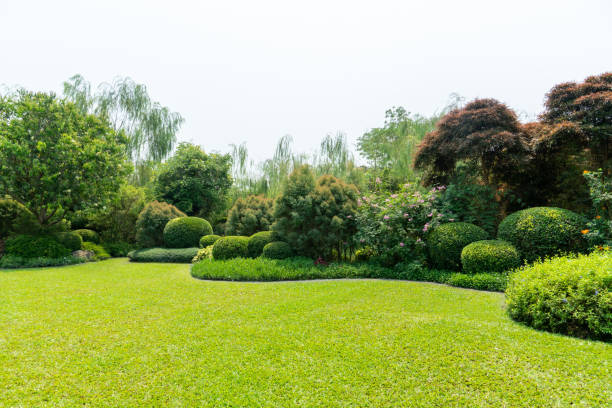
Types of Landscapes: Exploring Diverse Designs for Stunning Outdoor Environments
Designing a landscape involves much more than simply planting flowers and trees. The type of landscape you choose will not only reflect your personality but also harmonize with the existing environment, architecture, and purpose of the space. Below, we explore some of the most popular types of landscapes to help you transform your outdoor area into a stunning environment.
1. Formal Landscape Design
Formal landscapes are characterized by symmetry, neat lines, and well-organized patterns. These designs are ideal for those who value precision and order in their environment.
Features of formal landscapes: – Symmetrical layouts: Pathways, hedges, and flower beds mirror each other. – Manicured greenery: Regular pruning is essential to maintain clean lines. – Ornamental elements: Fountains, statues, or symmetrical hedgerows add elegance.
While formal landscaping requires more maintenance than informal designs, it creates an air of sophistication.
2. Informal Landscape Design
Informal landscapes lean towards natural flow and asymmetry. This type is perfect for homeowners seeking a relaxed ambiance that feels closer to nature.
Characteristics include: – Curved pathways: These evoke a sense of discovery as they meander through plants. – Native plants: Using local flora enhances the natural feel while being low-maintenance. – Layered plantings: Incorporating plants with varying heights creates depth.
Informal landscaping works well for suburban homes or spaces intended for casual outdoor living.
3. Contemporary Landscape Design
Modern or contemporary landscapes emphasize minimalism with clean lines and functional elements. Perfect for urban settings, these designs focus on creating seamless transitions between indoor and outdoor areas.
Key features: – Hardscaping dominance: Use concrete, gravel, or decking as prominent design elements. – Low-maintenance plants: Succulents or ornamental grasses complement sleek aesthetics. – Neutral color schemes: Grays, blacks, whites combined with greenery provide balance.
Contemporary landscapes often blend architecture with nature in unexpected ways.
4. Tropical Landscape Design
Inspired by lush environments like rainforests or island paradises, tropical design immerses you in vibrant colors and exotic textures.
Essentials for achieving this look: – Abundant vegetation: Use palms, ferns, hibiscus flowers, and dense plantings. – Water features: Ponds or waterfalls mimic tropical environments. – Bold colors: Incorporate bright blooms alongside oversized green leaves.
Tropical landscaping thrives best in warm climates but can be adapted using hardy tropical-style plants elsewhere.
5. Xeriscaping (Drought-Tolerant Landscaping)
If water conservation is a priority due to regional restrictions or personal preference, xeriscaping offers beauty without excessive irrigation needs.
Key principles: – Native drought-resistant plants like succulents or lavender reduce water consumption. – Efficient irrigation systems such as drip irrigation improve resource efficiency. – Decorative hardscape materials like pebbles replace thirsty lawns effectively.
Xeriscaping not only saves money on watering but also minimizes environmental impact.
| Type | Key Features | Best For |
| Formal | Symmetry; neatly trimmed hedges | Elegant gardens |
| Informal | Curved paths; native plants | Relaxed settings |
| Contemporary | Minimalist hardscape; neutral tones | Urban environments |
| Tropical | Lush foliage; vibrant flowers | Warm climates |
| Xeriscaping | Drought-tolerant flora | Water-scarce regions |
Each landscape type comes with its own set of advantages and challenges. Selecting the one that aligns with your goals ensures that your outdoor space becomes both functional and visually appealing.
Boston Landscaping Costs: Understanding the Investment in Your Dream Yard
When planning your dream landscape, understanding the associated costs is a crucial part of the process. Landscaping is an investment that enhances not only the aesthetics of your outdoor space but also the overall value of your property. Below, we break down the key factors influencing landscape design costs and provide insights to help you make informed decisions.
Factors Affecting Landscape Design Costs
Several variables impact landscaping costs. Knowing these factors can help you budget effectively and ensure you get the most value for your investment.
- Larger spaces require more materials, labor, and time, leading to higher costs.
- Smaller yards may still incur significant expenses depending on customization and material choices.
- Simple designs with minimal elements are typically more affordable.
- Intricate designs with custom features such as water installations or retaining walls increase costs.
- Natural stone, high-quality wood, or specialty plants may increase expenses.
- Artificial turf or concrete options might offer cost-effective alternatives.
- Skilled professionals charge based on experience and location.
- DIY landscaping can reduce labor expenses but may require substantial time investment.
- Certain projects—like installing fences or building larger structures—may require permits.
- These permits add fees that vary by region.
Average Cost Breakdown
| Feature/Element | Average Cost Range |
| Basic Lawn Care | $50 – $300/month |
| Full Landscape Design Plan | $1,000 – $5,000+ |
| Hardscaping (Patios/Pathways) | $2,000 – $10,000+ |
| Water Features | $1,500 – $15,000+ |
| Plantings (Trees/Shrubs) | $500 – $5,000 |
| Irrigation Systems | $2,500 – $4,000 |
Note: Costs depend on location and project scope.
Tips for Managing Landscaping Expenses
- Prioritize essential features first (e.g., pathways or seating areas).
- Opt for native plants that thrive in your climate—they’re often more affordable and require less maintenance.
- Get multiple quotes from reputable landscaping companies for comparison.
- Incorporate cost-effective materials without compromising durability or aesthetic appeal.
- Consider phased projects to spread out expenses over time.
Long-Term Value of Landscaping Investments
- A professionally designed yard can significantly boost property value (up to 15% in some cases).
- Quality landscapes improve curb appeal and create inviting outdoor spaces for relaxation and entertainment.
- Low-maintenance gardens reduce ongoing care expenses over time.
By carefully assessing these factors and planning strategically, homeowners can balance their vision with their budget while achieving a stunning outdoor space tailored to their needs.
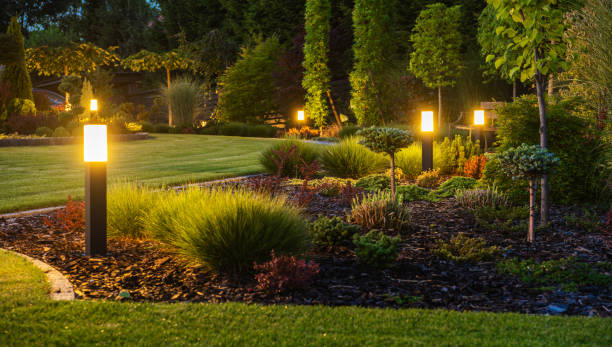
Using Color, Form, and Texture to Transform Your Landscape into a Work of Art
Creating a visually stunning landscape involves more than just planting greenery—it’s about combining color, form, and texture to craft a cohesive outdoor masterpiece. These elements work together to create depth, balance, and interest in your yard or garden. Whether you’re starting from scratch or refining your current space, understanding how to effectively use these principles can elevate your landscape design.
The Role of Color in Landscape Design
Color is one of the most powerful tools in landscaping. It sets the mood and can guide the viewer’s eye through your outdoor space.
- Warm Colors (Reds, Oranges, Yellows): These vibrant shades draw attention and can make spaces feel more inviting or intimate. Use them in areas where you want to create focal points.
- Cool Colors (Blues, Greens, Purples): These tones are calming and work well in creating tranquil environments. They also visually recede into the background, which can make small spaces appear larger.
- Neutral Colors (Whites, Greys): These hues provide balance between bold elements while adding elegance and simplicity.
Tips for Incorporating Color:
- Use seasonal flowers to keep your landscape evolving throughout the year.
- Group plants with complementary colors for harmony.
- Create contrast with opposing shades (e.g., pairing red flowers with green foliage).
The Importance of Form in Landscaping
Form relates to the shape and structure of plants as well as hardscape elements like pathways or furniture.
- Vertical Forms: Tall trees or shrubs add height and create visual interest without taking up much ground space.
- Horizontal Forms: Ground covers or sprawling plants help fill out large areas while encouraging flow across the yard.
- Rounded Forms: Bushes with rounded shapes can soften hard angles in patios or buildings.
Practical Applications:
| Landscape Element | Suggested Forms | Purpose |
| Trees | Columnar | Add vertical accents |
| Shrubs | Rounded | Provide structure around walkways |
| Flower Beds | Sprawling | Fill gaps; connect features |
Adding Texture for Dimension
Texture refers to how surfaces look and feel; it applies not only to plant foliage but also to hardscape materials like stones or wood.
- Fine Texture: Plants with small leaves (e.g., ferns) create an airy look that blends well into backgrounds.
- Coarse Texture: Bold leaves (like hostas) catch the eye quickly; they are ideal for focal points.
Pairing contrasting textures—such as smooth paving stones next to feathery grasses—creates balance while maintaining visual interest.
Blending Elements for Artistic Harmony
For a truly transformative landscape: 1. Start by planning zones based on color schemes that complement your home’s exterior. 2. Mix plant forms strategically: Use tall forms at back edges for height while incorporating rounded shapes as foreground accents.
3. Experiment with textures by layering coarse against fine foliage across borders or pathways.
By thoughtfully weaving together color palettes, structural forms, and diverse textures within your outdoor design plan, you’ll achieve a landscape that feels both polished and dynamic—a true work of art tailored uniquely to your property.
Focalization in Landscaping: Creating Eye-Catching Features for Maximum Visual Appeal
Focalization is a critical element of landscape design, enabling homeowners to draw attention to specific features within their outdoor space. Whether you’re designing your yard from scratch or enhancing an existing layout, incorporating focal points can elevate the overall aesthetic appeal and create a cohesive and visually engaging environment. Below, we explore what focalization means in landscaping, why it matters, and how you can effectively implement it.
What is Focalization in Landscaping?
Focalization refers to the process of intentionally guiding the viewer’s eye toward a specific element in your landscape. This could be anything from a dramatic water feature to a stunning specimen plant. A well-placed focal point provides visual interest, adds depth, and creates a sense of balance by anchoring the design.
Why is Focalization Important?
- Visual Interest: A strong focal point naturally draws attention, reducing monotony and making the space feel dynamic.
- Guiding Movement: Focal points help lead visitors through the landscape by subtly directing their gaze.
- Enhancing Balance: Strategically placed features can balance different elements across the yard for better harmony.
- Highlighting Key Features: Use focalization to showcase standout features that reflect your personal style or complement your home’s architecture.
Examples of Effective Focal Points
- Ponds, fountains, or waterfalls create movement and soothing sounds that attract attention.
- A unique tree like a Japanese maple or an exotic flowering shrub can instantly become the star of your yard.
- Statues, birdbaths, or even modern art pieces make for captivating visual accents.
- Pergolas or benches surrounded by lush greenery encourage gathering while doubling as functional focal points.
- Structures like trellises covered with climbing plants provide inviting entryways into garden areas.
| Focal Point Type | Example Features | Benefits |
| Water Feature | Fountain, Pond | Adds movement and sound |
| Specimen Plant/Tree | Japanese Maple | Highlights unique natural beauty |
| Sculpture/Ornament | Birdbath | Adds personality and artistic appeal |
| Seating Area | Pergola with Bench | Combines functionality with aesthetics |
| Structural Element | Trellis with Vines | Defines spaces while drawing attention |
Tips for Incorporating Focal Points
- Placement Matters: Position focal elements strategically where they stand out but do not overwhelm other parts of the design.
- Scale Appropriately: Ensure that the size of your chosen feature complements both your outdoor space’s size and surrounding elements.
- Use Contrast: Highlight key features using contrasting colors, textures, or materials to make them pop visually.
- Lighting Enhancements: Add landscape lighting around focal points like trees or statues for nighttime impact.
- Avoid Overcrowding: Be selective—too many competing features can reduce clarity and create visual clutter.
By understanding how to effectively use focalization in landscaping, you can transform any outdoor space into an inviting retreat filled with character and interest. Thoughtful placement of eye-catching elements ensures cohesion while allowing each section of your yard to shine independently yet harmoniously with other components.
- Tips for Lawn Mowing to Enhance Your Boston Landscaping
- Why Hiring Landscapers Boston Professionals is Worth the Investment for Your Outdoor Space
- Boston MA Landscaper: Your Comprehensive Guide to Starting a Beautiful Outdoor Space
- Boston MA Landscaping Company: Everything You Need to Know for Beautiful Outdoor Spaces
- How to Choose the Best Landscapers Boston Offers for Your Outdoor Projects
- Maximizing Your Property’s Potential: How Boston Landscaping Saves Time and Money
- Complete Buying Guide for Garden and Outdoor Lighting from a Boston MA Landscaping Company
- How to Find the Best Landscapers Boston Has to Offer for Your Outdoor Spaces