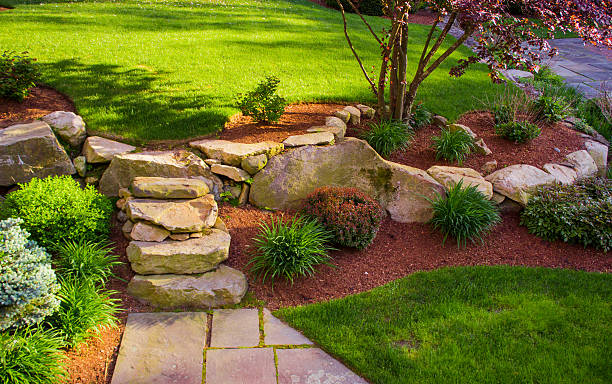
When it comes to maintaining and enhancing your outdoor spaces, hiring professional landscaping services can offer significant benefits. Beyond simply improving aesthetics, expert landscapers streamline processes, save you time, and reduce long-term costs. Here’s how professional landscaping unlocks efficiency while preserving your resources.
Time-Saving Advantages of Professional Landscaping
Managing a landscape can be a time-intensive task. By partnering with professionals, you can redirect your focus to other priorities while ensuring your outdoor space is properly cared for.
- Expert Knowledge: Landscapers have specialized knowledge about plant care, soil management, and seasonal maintenance schedules.
- Efficient Tools and Equipment: Professionals arrive equipped with advanced tools that allow them to complete tasks quickly and effectively.
- Scheduled Maintenance: Recurring services ensure that routine tasks like mowing, pruning, fertilization, and pest control are consistently completed on time.
- Design Expertise: Instead of spending hours researching or trial-and-error planning for plants or layout designs, professionals create tailored plans from the start.
Financial Benefits of Hiring Experts
While initial costs may seem like an investment upfront, professional landscaping solutions often lead to long-term financial savings by avoiding expensive mistakes or unnecessary expenditures.
- Reduced Maintenance Costs: Proper plant selection minimizes overgrowth issues and reduces water needs.
- Enhanced Durability: Professionals install high-quality materials such as pavers or retaining walls that last longer than DIY alternatives.
- Pest Prevention: Proactive approaches by experts prevent pest infestations that could damage your lawn or plants.
Cost Comparison Table: DIY vs Professional Landscaping
| Task | Average DIY Cost | Average Professional Cost | Additional Notes |
| Lawn Installation | $500 – $1,000 | $1,500 – $2,500 | Professionals ensure proper grading & soil preparation. |
| Regular Maintenance | $50/month | $80/month | Consistent quality without personal labor investment. |
| Irrigation System Repair | $200 | $300 | Experts avoid misdiagnosis & further damages. |
Over time, the professional approach ensures better longevity while minimizing repair work.
Environmentally-Conscious Solutions
- Installation of smart irrigation systems for precise water usage.
- Use of native plant species requiring less water and maintenance.
- Soil testing to determine optimal fertilization techniques.
These practices not only reduce environmental impact but also prevent excessive costs linked to water overuse or improper plant care.
The Role of Strategic Design in Efficiency
- Creating functional layouts with clear paths reduces wear on grassy areas.
- Grouping plants based on sunlight or watering needs eliminates overwatering risks.
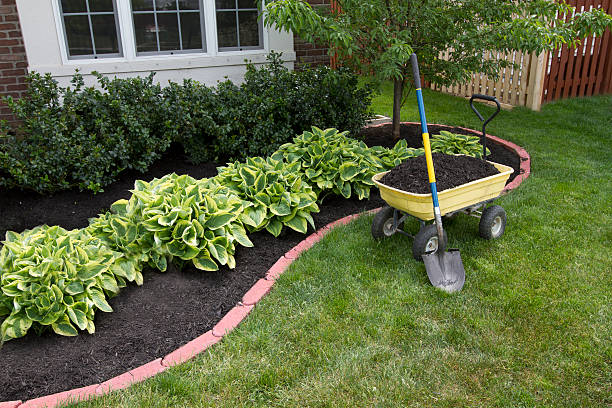
- Installing features like mulch beds helps retain soil moisture while cutting down on water requirements.
By integrating thoughtful design with skilled execution, professionals help homeowners enjoy beautifully maintained outdoor spaces without unnecessary effort or expense.
Unlocking efficiency through professional landscaping means more than just a visually appealing yard; it’s about transforming the way you interact with your outdoor environment—saving valuable time while strategically managing resources for long-term value.
Enhance Your Property Value and Curb Appeal with a Boston MA Landscaper
When it comes to increasing the value of your property and improving its curb appeal, professional landscaping plays a critical role. Whether you’re preparing to sell or simply want to enjoy a more attractive home, an expertly designed landscape can make all the difference.
The Impact of Landscaping on Property Value
- First impressions matter: A beautiful front yard instantly grabs the attention of potential buyers or visitors.
- Functional outdoor spaces: Features like patios, walkways, decks, or fire pits extend usable living areas.
- Long-term investment: Trees, shrubs, and lawns that are properly installed and maintained mature over time, boosting their aesthetic and financial value.
Survey Data on Landscaping ROI
| Feature | Average ROI (%) |
| Well-Maintained Lawn | 267 |
| Patio Installation | 100-200 |
| Native Plant Integration | 150 |
| ROI percentages based on industry surveys. |
Enhancing Curb Appeal with Expert Touches
- Lush Lawns – A green, healthy lawn is one of the most noticeable features for any property. Professionals ensure proper grading, drainage, seeding, and fertilization to achieve vibrant grass.
- Defined Edges – Cleanly edged flower beds and pathways create a crisp appearance that ties the entire space together aesthetically.
- Colorful Plants & Flowers – Strategic placement of seasonal blooms adds vibrancy while complementing architectural design.
- Lighting Solutions – Outdoor lighting not only improves safety but also highlights key landscape features at night.
- Stonework & Hardscaping – Adding natural stone pathways or retaining walls creates visual interest while adding functional elements.
Why Choose Professional Landscaping?
- They assess soil conditions and climate compatibility for plantings.
- Proper selection of plants minimizes maintenance needs while maximizing growth potential.
- Designers create tailored plans that enhance architecture rather than competing with it.
- Advanced tools make installation faster and more efficient.
By investing in professional landscaping services, you’re not only elevating your property’s beauty but also ensuring that its value appreciates over time—making it a wise decision both financially and aesthetically.
Transform Your Outdoors with a Leading Boston MA Landscaping Company
Transforming your outdoor space into a functional, inviting extension of your home is an innovative way to enhance both comfort and utility. With creative landscaping designs, you can craft spaces that cater to relaxation, entertainment, or family activities while seamlessly blending nature with functionality.
Benefits of Extending Your Living Space Outdoors
- Increased Usable Space: Outdoor living spaces add square footage that can be used for dining, lounging, or entertaining.
- Enhanced Lifestyle: A well-designed yard encourages outdoor activities like grilling, gardening, or simply unwinding after a long day.
- Improved Property Value: Thoughtfully designed landscapes often attract potential buyers and boost the resale value of your property.
Creative Ideas for Outdoor Living
- Install a patio with durable materials like flagstone or concrete pavers.
- Add a dining table set under a pergola for shade and ambiance.
- Incorporate a fire pit surrounded by comfortable seating for cozy evenings.
- Upgrade to an outdoor fireplace as a focal point for social gatherings.
- Use hedges or trellises covered in climbing plants to create secluded areas.
- Add water features like fountains or small ponds for a calming effect.
- Equip the space with essentials such as grills, countertops, sinks, and storage cabinets.
- Include lighting and weather-resistant appliances to make it versatile during all seasons.
- Design spaces for games such as bocce ball courts or putting greens.
- Allocate areas for children’s play sets or sandbox installations.
Balancing Aesthetics with Practicality
| Feature | Purpose | Example |
| Hardscaping Elements | Durability & Structure | Patios, walkways, retaining walls |
| Greenery | Natural Beauty & Shade | Native trees, shrubs, ornamental grasses |
| Lighting | Safety & Atmosphere | Path lights, string lights over dining areas |
| Furniture | Comfort & Functionality | Weather-resistant lounge chairs and modular seating arrangements |
Tips for Achieving Seamless Integration
- Match design elements (e.g., colors and textures) with those inside your house.
- Use transitions such as sliding glass doors to connect indoor and outdoor zones effectively.
- Opt for multi-functional furniture to maximize usability while keeping the area organized.
Investing in professional landscaping services can help you bring these ideas to life while ensuring proper planning and execution tailored specifically to your yard’s layout and needs.
Expert Lawn Care Boston MA Services to Transform Your Home’s Exterior Appeal
A well-designed exterior plays a crucial role in shaping the first impression of your home. Professional landscaping not only enhances the aesthetic appeal of your property but also creates a welcoming atmosphere for visitors and family members alike. Below, we’ll explore various elements that can help transform your home’s exterior into a captivating and inviting space.
Key Elements of an Inviting Exterior
- Thoughtful Landscaping Design
A cohesive and well-planned design is essential for creating a harmonious look that complements your home’s architectural style. Consider incorporating: - Symmetrical arrangements of shrubs or flowerbeds to frame your entryway
- Curved walkways or pathways for visual softness
- Layered plantings to add depth and texture
- Lighting Enhancements
Outdoor lighting serves both functional and aesthetic purposes. Proper placement can make your home safer while adding charm during evening hours. Key lighting options include: - Pathway lights to guide visitors safely to the entrance
- Spotlights to highlight architectural features or focal points in your yard
- String lights or lanterns for a cozy, ambient feel
- Maintaining Green Spaces
Lush lawns and healthy greenery are foundational elements of any inviting exterior. Regular lawn care, such as mowing, fertilizing, and aerating, ensures vibrant turf that catches the eye immediately. - Incorporation of Color
Adding pops of color through flowers or painted features revitalizes dull exteriors. Consider seasonal blooms or perennial plants for year-round vibrancy. - Use of Hardscapes
Hardscaping elements like patios, retaining walls, and decorative stones enhance usability while adding visual variety to outdoor spaces.
Benefits of Transforming Your Home’s Exterior
| Benefits | Description |
| Enhanced Curb Appeal | Creates a positive first impression for visitors or potential buyers |
| Increased Property Value | Professionally landscaped exteriors can boost resale value significantly |
| Improved Functionality | Usable outdoor spaces provide areas for relaxation or entertaining guests |
| Greater Energy Efficiency | Strategic planting provides shade and reduces cooling costs |
Tips for Achieving Maximum Impact
- Work with professional landscapers who understand how to balance functionality with visual appeal.
- Invest in native plants that thrive in your region’s climate for easier maintenance.
- Incorporate focal points like fountains, sculptures, or statement trees to create an unforgettable look.
- Regularly maintain all aspects of landscaping—from trimming hedges to cleaning hardscape surfaces—to retain their beauty over time.
By taking these steps, you can create an exterior environment that reflects warmth and elegance while enhancing the overall character of your home. This transformation extends beyond mere appearances—it elevates how you experience outdoor living every day.
Benefits of Advanced Irrigation Systems
- Precision Watering:
Modern irrigation systems, such as drip irrigation or micro-sprinklers, deliver water directly to the root zones of plants. This minimizes evaporation and runoff while ensuring plants receive just the right amount of moisture. - Reduced Water Waste:
High-efficiency systems are designed to target specific areas rather than watering large sections indiscriminately. This focused approach prevents overwatering, helping you save money on monthly utility bills. - Consistent Coverage:
Unlike manual watering or outdated sprinkler heads, advanced systems provide even coverage across your lawn and garden beds, preventing dry spots or pooling water.
Incorporating Smart Systems into Landscaping
- Weather-Based Controllers: These systems monitor local weather patterns and adjust watering schedules accordingly to avoid unnecessary watering during rain or cooler temperatures.
- Soil Moisture Sensors: Installed underground, these sensors measure how much moisture is present in the soil and signal when it’s time for irrigation to avoid overwatering.
- Mobile Integration: Many smart controllers allow homeowners to monitor and adjust their irrigation system via smartphone apps, making it easy to manage water usage remotely.
| Feature | Benefit | Example Technology |
| Weather-Based Controllers | Adjusts watering during rain | Rachio Smart Sprinkler |
| Soil Moisture Sensors | Prevents overwatering | Toro Precision Sense |
| Mobile Integration | Remote monitoring and adjustments | Rain Bird ESP-TM2 |
Long-Term Benefits for Your Landscape
- Healthier Plants: Properly managed water ensures that plants thrive without being stressed by drought conditions or excess moisture.
- Reduced Maintenance Needs: Efficient watering reduces weed growth and limits disease caused by overwatering, saving you time on upkeep.
- Environmental Sustainability: Conserving water helps protect local ecosystems by reducing strain on community resources like reservoirs and aquifers.
- Cost Savings Over Time: While advanced irrigation systems may require an initial investment, they pay off long-term through reduced water bills and minimized plant replacement costs caused by improper hydration practices.
Partnering with Experts for Optimal Results
A professional landscaping company has the expertise to design an efficient irrigation layout tailored to your property’s needs. They’ll assess factors such as soil type, plant varieties, sun exposure, and slope dynamics to ensure every area gets appropriate hydration without waste.
By combining cutting-edge technology with expert planning, optimized water conservation becomes both achievable and practical for any homeowner looking to enhance their outdoor space responsibly.
Avoiding Costly Mistakes by Choosing Expert Landscaping Solutions
Engaging professional landscaping services is a strategic investment that can help you steer clear of expensive errors while elevating the overall aesthetic and functionality of your outdoor spaces. Many homeowners and businesses make avoidable mistakes when attempting to undertake landscaping projects themselves, often resulting in higher costs, reduced efficiency, and unsatisfactory results. Below, we explore how expert landscaping solutions can help you avoid these pitfalls while maximizing your investment.
Common Landscaping Mistakes to Avoid
- Improper Plant Placement: Choosing the wrong plants for specific areas of your yard can lead to plants dying due to mismatched sunlight, soil, or water conditions.
- Overlooking Drainage Systems: Poor drainage planning can result in water pooling, soil erosion, or even foundational damage to your property.
- Neglecting Soil Quality: Failing to evaluate or amend soil quality often reduces plant health and growth potential.
- Overplanting: Crowded plants compete for nutrients and water, leading to unhealthy growth—or worse—plants dying off prematurely.
By partnering with a professional team, you ensure these errors are avoided through careful site inspection and experience-based planning.
Benefits of Expert Landscaping Services
- Professionals assess factors like climate, soil type, topography, and available space before creating a custom design tailored for optimal results.
- They develop a cohesive plan encompassing aesthetics as well as functionality.
- Landscape experts recommend durable materials (e.g., paving stones or native plants) that require minimal maintenance over time—reducing recurring expenses.
- They also source high-quality products at competitive prices through trusted suppliers.
- Professionals utilize advanced irrigation systems designed to conserve water without compromising plant vitality.
- Their expertise ensures minimal waste during installation processes such as grading or planting.
- Expert landscapers use industry best practices for planting trees/shrubs or laying hardscaping elements like patios and retaining walls.
- Their precision prevents costly repairs down the line caused by poor workmanship.
Financial Impact Comparison Table
| Aspect | DIY Approach | Professional Landscaping |
| Time Investment | High (personal labor required) | Low (delegated to experts) |
| Material Costs | Potentially higher | Optimized with trade discounts |
| Long-Term Maintenance Costs | Elevated (due to errors) | Lower (due to quality work upfront) |
| Risk of Errors | High | Minimal |
Why It Pays Off in the Long Run
While hiring professionals may involve an upfront cost, it often saves money over time by eliminating rework expenses and reducing ongoing maintenance needs. Additionally, expertly designed landscapes increase property value—a return on investment that can make future resale much more lucrative.
Opting for expert solutions isn’t just about saving money—it’s about securing peace of mind knowing your outdoor environment is built on solid foundations crafted with skillful care. The result is a landscape that thrives year after year without unexpected setbacks draining your resources or enthusiasm.
Incorporating Native Plant Species to Enhance Sustainability and Beauty
Incorporating native plant species into your landscaping design is a powerful way to create a sustainable, low-maintenance, and visually appealing outdoor environment. Native plants are naturally adapted to the local climate, soil conditions, and ecosystem. As a result, they offer significant benefits for both homeowners and the surrounding environment.
Benefits of Native Plants in Landscaping
- Low Maintenance Requirements: Since these plants are acclimated to their natural habitat, they require less water, fertilizer, and pest control compared to non-native species.
- Water Conservation: Native plants often thrive with minimal irrigation since they’re accustomed to local rainfall patterns.
- Support for Local Wildlife: These plants provide food and shelter for pollinators like bees, butterflies, and birds.
- Resilience Against Pests: Since they’re adapted to their environment, native plants are naturally resistant to many common pests.
- Cost Savings Over Time: Reduced reliance on fertilizers, pesticides, and water leads to long-term savings.
Popular Native Plants for Landscaping
| Region | Suggested Native Plants | Key Features |
| Northeast U.S. | Eastern Redbud, Purple Coneflower | Bright blooms; supports pollinators |
| Midwest U.S. | Prairie Dropseed Grass, Black-Eyed Susan | Drought-resistant; hardy varieties |
| Southeast U.S. | American Beautyberry Bush, Southern Magnolia | Vibrant flowers; attractive foliage |
| Southwest U.S. | Desert Marigold, Agave | Low water needs; heat-tolerant |
| West Coast U.S. | California Poppy, Manzanita | Adapted to Mediterranean climates |
Tips for Successfully Incorporating Native Plants
- Conduct Research on Local Flora
Consult with local nurseries or experts who specialize in regional plant species. - Group Plants by Water Needs
Although native plants require less water overall compared to exotic species, grouping them by similar hydration needs can enhance efficiency. - Plan for Seasonal Interest
Choose a mix of trees, shrubs, perennials, and groundcovers that bloom or thrive during different seasons. - Minimize Soil Disruption
Preserve existing soil conditions as much as possible since native plants are suited to what’s already there. - Create Wildlife Habitats with Purposeful Design
Leave some areas undisturbed or incorporate features like bird feeders or bee hotels alongside native flowers for added biodiversity support.
Sustainability Through Biodiversity
By incorporating diverse native plant species into your landscaping project, you help preserve ecosystems while enhancing the aesthetic appeal of your property. These efforts contribute not only to environmental conservation but also add depth and character that make outdoor spaces more enjoyable year-round.
Properly integrating native plants into your landscape ensures you are building an environmentally friendly space that aligns with modern sustainability goals without sacrificing beauty or functionality.
- Tips for Lawn Mowing to Enhance Your Boston Landscaping
- Why Hiring Landscapers Boston Professionals is Worth the Investment for Your Outdoor Space
- Boston MA Landscaper: Your Comprehensive Guide to Starting a Beautiful Outdoor Space
- Boston MA Landscaping Company: Everything You Need to Know for Beautiful Outdoor Spaces
- How to Choose the Best Landscapers Boston Offers for Your Outdoor Projects
- Maximizing Your Property’s Potential: How Boston Landscaping Saves Time and Money
- Complete Buying Guide for Garden and Outdoor Lighting from a Boston MA Landscaping Company
- How to Find the Best Landscapers Boston Has to Offer for Your Outdoor Spaces